2025-10-16
Table of Contents
Bringing home new plants is a fun and rewarding experience. They brighten up your area immediately, be it a balcony or an indoor corner. But they require more than just a watering session. Most beginners accidentally commit tiny errors that kill plant growth. This blog picks out the most common mistakes that new plant owners make and how to correct them. You can get healthy plants at the best plant nursery in Indore to begin your journey.
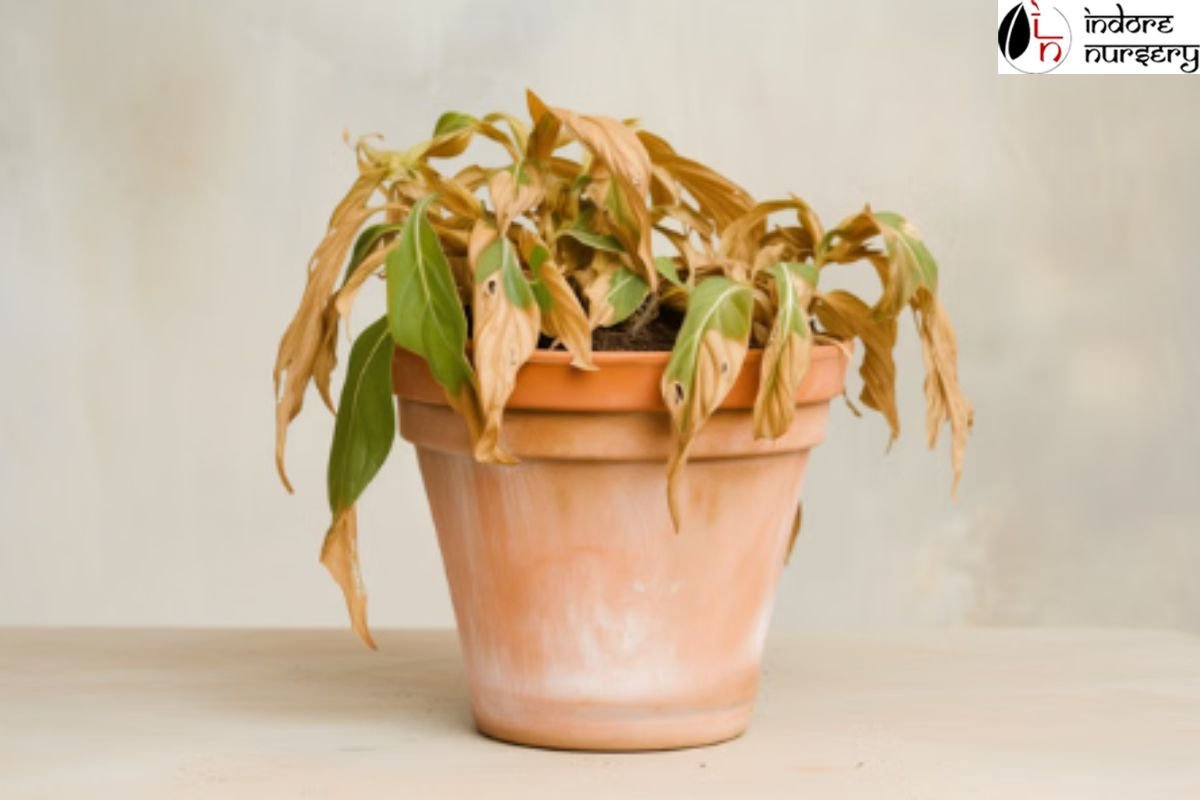
One of the most frequent errors of new gardeners is selecting plants that aren’t appropriate for their conditions. Every plant has different requirements — some require sunlight, while other plants do better under shade. For instance, succulents do well in direct light, but ferns like humid low-light spots.
However, if you choose a plant which is not suitable for your house conditions, it will not survive. Before purchasing any plant, do some research regarding its light, temperature, and humidity requirements.
How to prevent this error:
Additionally, when purchasing from an online plant nursery in Indore,carefully read the product description. The majority of online product descriptions include the preferred light and care requirements for every plant.
Plants need space to grow, both above and below the soil. Many new plant owners crowd too many plants in one pot or too close together in a garden. This limits airflow and root growth, which can lead to weak plants or fungal infections.
How to avoid this mistake:
Therefore, spacings properly allow plants to breathe, grow at an even pace, and receive sufficient nutrients from the ground.
Potting could be easy, but getting it wrong kills your plant. The most common errors are using the incorrect pot size or neglecting drainage holes. The too-large pot fills with too much water, while the too-small pot inhibits root development.
How to get this wrong:
Additionally, if the plant is wilting or yellowing leaves, it could be a result of bad drainage or tight soil.
Repotting is necessary for growth, but new gardeners either don’t do it at all or repot too soon. With time, roots require more room to grow. When roots start growing out of the drainage holes, it means that your plant is root-bound and requires a larger pot.
How to avoid making this mistake:
Moreover, repotting provides your plant with new soil and additional nutrients so that it can grow healthier.
Light is an important aspect of plant health. New plant owners tend to misunderstand the amount and type of light their plants receive. Putting a shade plant in full sun or a sun-loving one in a shaded area can result in burning or discoloration of leaves.
How to prevent it:
However, keep in mind that even low-light loving plants require some indirect sunlight in order to remain healthy.
Plants require nutrients in the same way that humans require food. A lot of beginners forget to fertilize or over-fertilize. Without the right nutrition, plants can grow slow, have yellow leaves, or have fewer flowers.
How to prevent this error:
Moreover, regular fertilizing ensures plants heal quickly from pruning or repotting.
Overwatering is most likely the biggest error that new plant owners commit. Most people consider watering every day to be a must, but in actuality, it promotes root rot. When roots are in water for an extended period, they starve of oxygen and start to rot.
Symptoms of overwatering:
Avoiding this error:
Furthermore, using a moisture meter will inform you exactly when your plants are in need of water.
Although overwatering is worse, underwatering is also bad. Some amateurs forget to water or believe plants can last with random rain. If plants don’t receive enough water, they wilt, dry out, and fail to grow.
How to get it wrong:
Additionally, if your soil is drawn away from the edges of the pot, it’s an indication your plant needs water.
Taking care of plants can be a little confusing to start, but it gets more manageable once you comprehend what they need. By not making these mistakes—such as picking the wrong plants, overwatering or underwatering, neglecting spacing, or not using fertilizer—you can have healthy, content greenery at home.
Furthermore, if you want to begin your plant adventure, check out the biggest nursery in Indore to get expert advice and a variety of lovely, low-maintenance plants. Plant with love, with patience, and with a little every day for best results.