2024-07-02
In India’s vibrant climate, gardening isn’t just about cultivating plants and witnessing them flourish. It’s a gateway to a healthier you and a thriving environment. It’s not just about nurturing plants and watching them grow. Gardening gets you moving and outdoors, which is great for staying healthy. It also reduces stress and makes you feel good by letting you relax and achieve something in a natural setting.
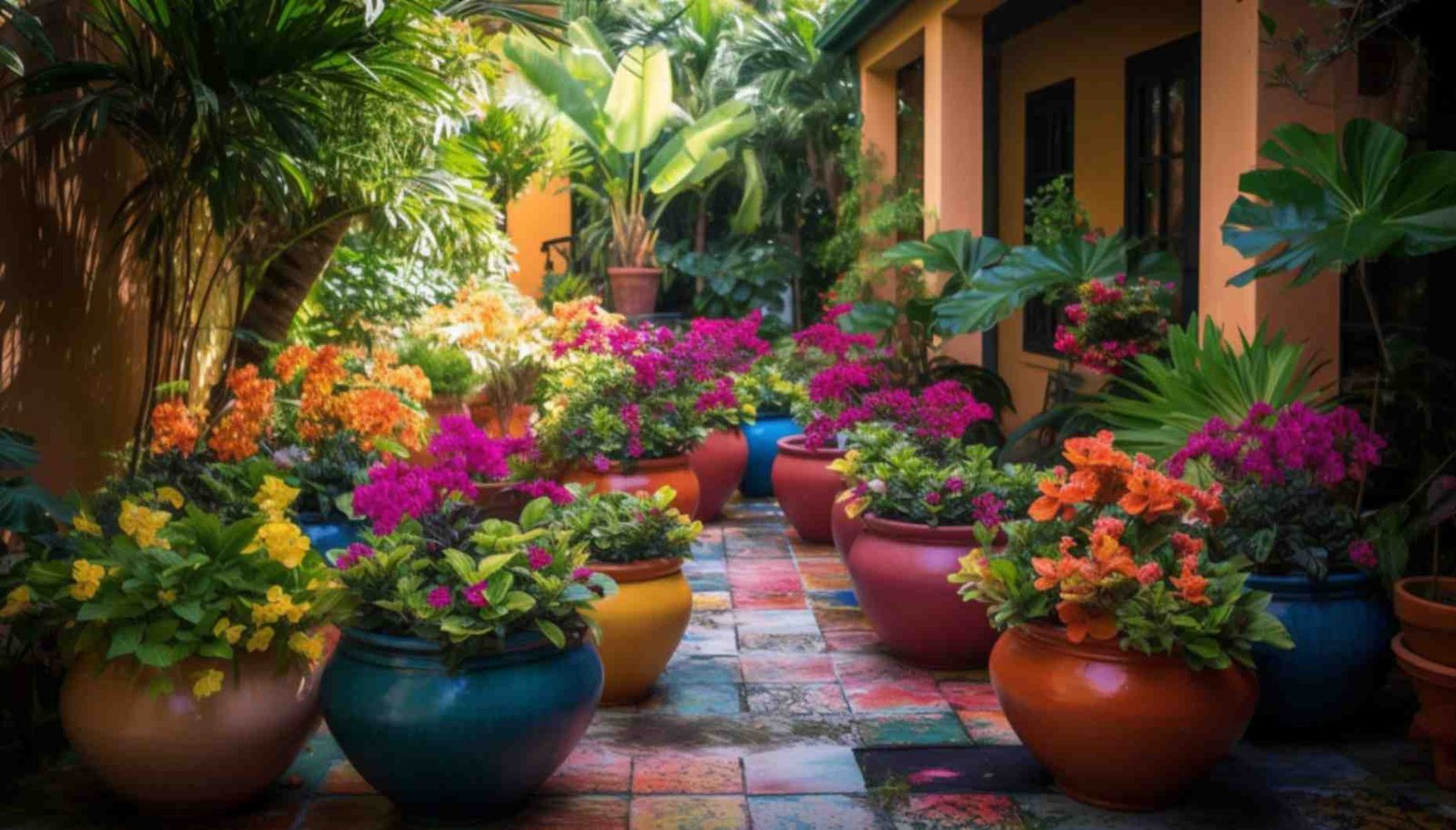
Beyond personal benefits, gardening in India is crucial in protecting the environment. It promotes biodiversity, captures carbon to fight climate change, and cleans the air. Gardening encourages eco-friendly habits like composting and saving water, which help local ecosystems thrive.
In India, gardening is deeply tied to cultural traditions and diverse regional practices. It includes everything from growing medicinal plants and creating beautiful landscapes to farming in different climates.
One unique aspect is urban terrace gardening, where people in cities grow plants on rooftops despite limited space. India’s rich flora allows for the growing of exotic flowers, fragrant herbs, and tropical fruits.
Indian gardening often blends Ayurvedic principles and ancient wisdom, seeing plants as therapeutic and spiritually enriching. This approach improves physical health and strengthens community ties through shared gardening and cultural celebrations.
India has various climatic zones that affect local weather and the environment. These include tropical, subtropical, arid, and temperate regions. From the hot and humid climate in southern India to the dry conditions in Rajasthan and the cooler climate in the Himalayan foothills, each zone has its distinct characteristics.
Knowing your local climatic zone is essential for making informed decisions, especially in activities like gardening. Each zone influences plant growth, water needs, and seasonal changes. Plants that thrive in humid tropical areas may struggle in dry regions without enough water and care.
Climate plays a big role in gardening decisions, determining which plants can grow well and how to care for them. In warm tropical zones, gardeners can grow a variety of lush plants and fruits. Arid regions require plants that can survive with little water. Seasons in subtropical areas affect when to plant and harvest crops.
Selecting the ideal location for your garden involves considering factors like sunlight, shade, and space. Sunlight is crucial for most plants, so choose a spot that receives at least 6-8 hours of direct sunlight daily. South-facing areas typically get the most sunlight throughout the day, making them ideal for sun-loving plants like tomatoes and peppers. However, some plants, such as leafy greens and herbs, can thrive in partial shade, which is beneficial if your garden has areas that receive less direct sunlight.
Space is another important consideration. Ensure your chosen location has enough room for the plants you intend to grow, allowing sufficient spacing between rows or containers for proper growth and airflow. Consider access to water sources for irrigation and proximity to your home for convenience.
Choosing what to grow in your garden depends on your preferences, climate, and gardening experience. For beginners, starting with easy-to-grow vegetables like tomatoes, lettuce, and radishes can be rewarding. These plants typically require minimal maintenance and yield good results.
Fruits such as strawberries or herbs like basil and mint are also beginner-friendly choices. Flowers such as marigolds or pansies not only add beauty but can also attract pollinators to your garden. Consider your local climate and growing season when selecting plants, opting for varieties that thrive in your region’s conditions.
Herbs like rosemary, thyme, and parsley are excellent choices for their versatility in cooking and relatively low maintenance requirements. Experiment with a variety of plants to see what grows best in your garden’s specific microclimate, and don’t hesitate to seek advice from local gardening resources or nurseries for tailored recommendations.
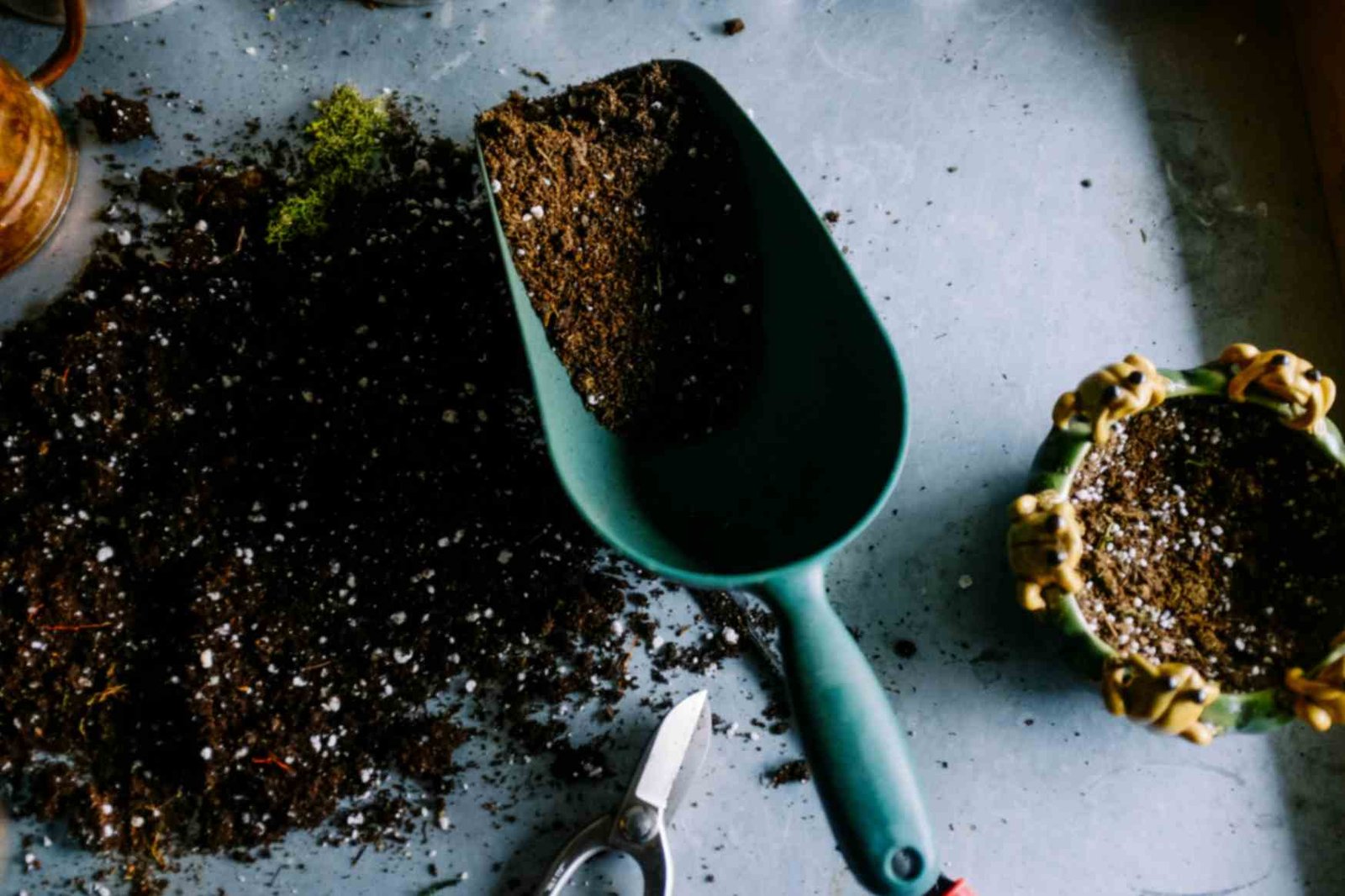
Understanding Soil Types: Knowing the different soil types is essential for farming and gardening in India, where varied climates affect soil quality:
Boosting soil quality involves methods like:
Practising sustainable techniques such as crop rotation and mulching helps maintain soil health by preventing erosion and nutrient loss. Understanding and enhancing soil types helps farmers and gardeners in India grow better crops sustainably, preserving the environment and ensuring productive agriculture.
Start with easy-to-care-for plants in Indian gardens. Choose robust options like aloe vera, money plant, or spider plant that thrive in various conditions with minimal upkeep. These plants handle different sunlight and watering levels well, making them perfect for beginners.
In Indian gardens, go for hardy plants like basil, mint, and curry leaf for herbs, and marigold, hibiscus, and jasmine for flowers. They grow well in India’s climate and soil, needing simple care routines for beauty and practicality.
Plant according to seasons in India. Winter suits crops like spinach and peas, while summer favours tomatoes and chillies. Monsoon is great for leafy greens and herbs. Adapt plant choices to local climates for best results year-round.
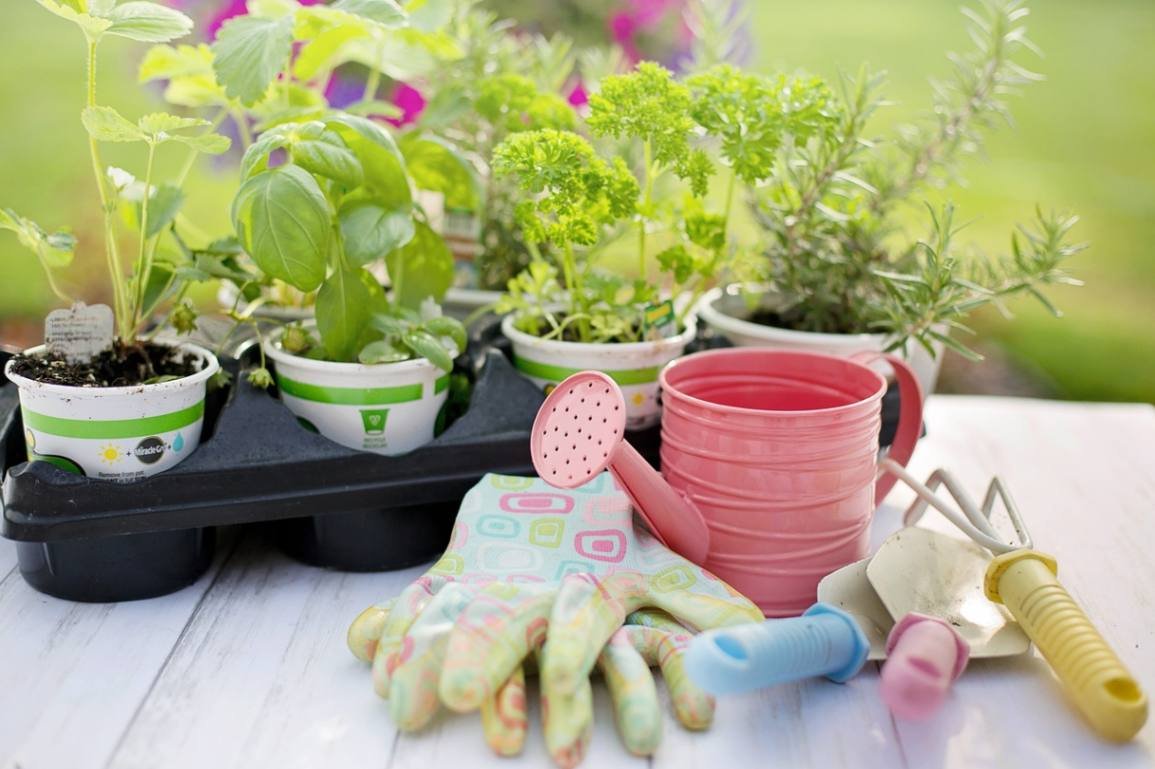
Essential Gardening Tools: Beginners need basic tools like a trowel, pruners, and a watering can for gardening tasks.
Choosing Quality Supplies: Select durable pots, containers, and gardening gloves for comfort and longevity.
Best Practices for Watering: Water plants deeply but less often, preferably in the morning to minimize evaporation. Adjust the watering frequency based on weather conditions and plant requirements.
Efficient Irrigation Methods: Use drip irrigation for precise watering directly to plant roots. Install rainwater harvesting systems to save water and support sustainable gardening practices.
Identify pests such as aphids and whiteflies; control them organically with neem oil or companion planting.
Use natural remedies like baking soda to treat powdery mildew; prevent diseases by watering correctly and practising crop rotation.
Organic gardening provides pesticide-free fruits and vegetables, promoting biodiversity and healthier produce. It conserves water, reduces soil pollution, and uses practices like composting mulching, and natural fertilizers to enrich the soil and support sustainable ecosystems, making it a natural and eco-friendly way to garden.
Growing Plants Indoors: Discover suitable plants for indoor gardening in India, ensuring they thrive in indoor conditions with adequate sunlight and water.
Creating a Balcony or Terrace Garden: Maximize small spaces with strategic tips for balcony or terrace gardening, optimizing layout and plant selection for optimal growth and aesthetics.
Make the most of vertical space by growing plants on walls or trellises. This method maximizes small areas and creates green walls using pocket planters, trellis systems, or hydroponic towers.
Grow plants in pots and containers, perfect for small spaces or urban areas. Choose containers that suit each plant’s needs, ensuring good drainage and soil quality. Container gardening offers flexibility in placement and makes gardening possible in limited spaces.
Gardening tasks change with the seasons. In spring, focus on planting and preparing soil. Summer requires regular watering and pest control. During monsoon, maintain drainage and prevent diseases. Winter involves pruning and protecting plants from frost. Each season brings unique challenges, from nurturing growth to maintaining plant health.
Community gardening builds connections and shares resources. It offers access to larger spaces, knowledge sharing, and a sense of community. Urban gardening enhances city greenery, benefiting local environments and well-being. Participating in city projects supports sustainability and beautifies urban areas.
Gardening brings year-round satisfaction through seasonal care and community engagement. Joining gardening communities improves skills and fosters a sense of belonging. Whether in small groups or urban settings, gardening promotes creativity and environmental responsibility. Start gardening now to enjoy its rewards and contribute positively to your community.