2024-07-11
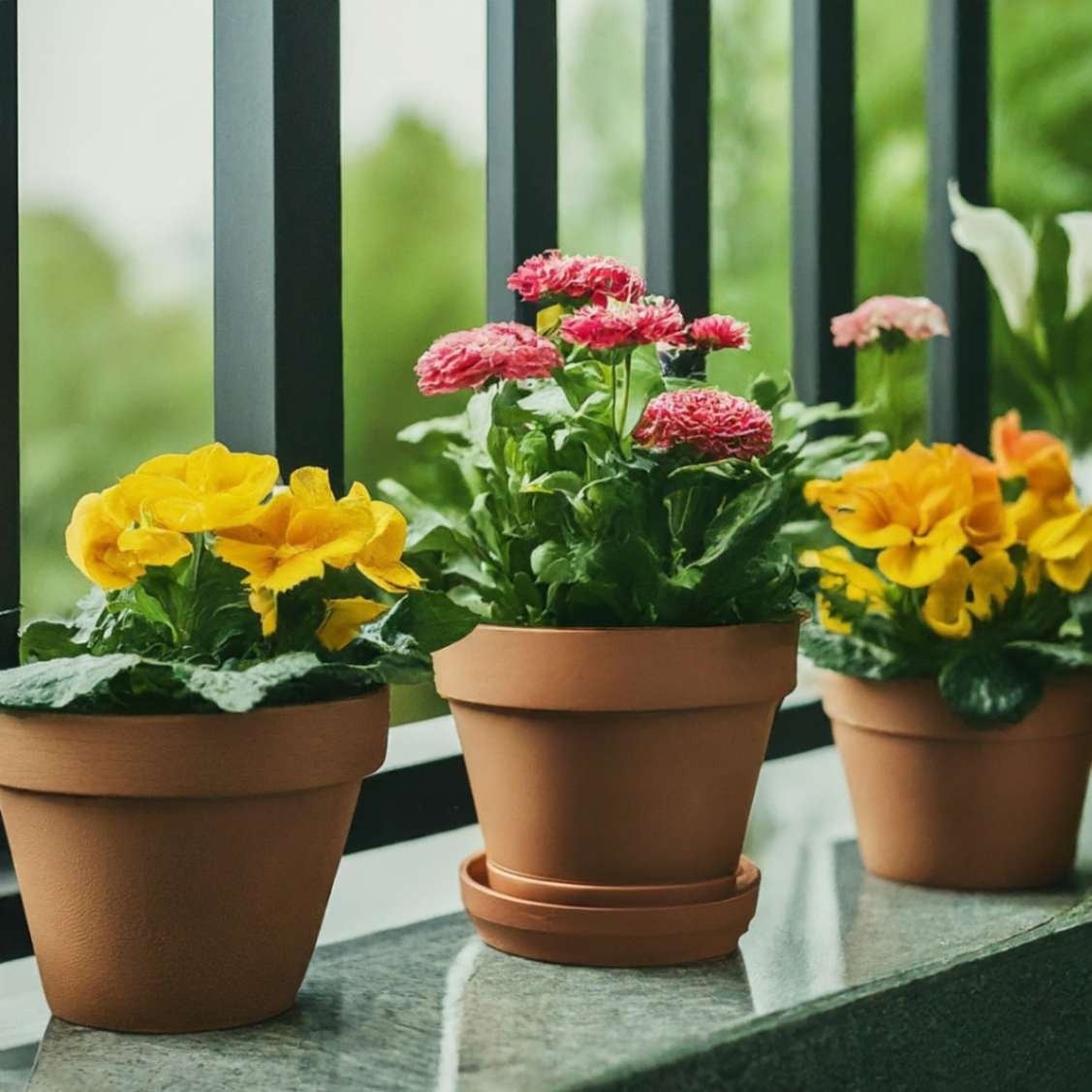
Flowering plants not only bring vibrant colours to gardens but also enhance their beauty. In India, where diverse climates prevail, a wide range of flowering plants thrive across different regions. Whether you’re aiming for traditional favourites or exotic blooms, understanding each plant’s specific needs is key for successful cultivation.
India’s climates vary from tropical to temperate, arid to humid, supporting a rich variety of flowering plants. Each region’s climate influences the types of plants that flourish there. Choosing plants that suit local conditions is crucial for successful gardening.
– Soil Requirements: Most flowering plants prefer well-drained soil rich in organic matter to prevent waterlogging and root rot.
– Sunlight Needs: Some plants like roses and marigolds need full sunlight, while others like pansies and jasmine prefer partial shade.
– Watering Tips: Adjust watering based on plant needs; marigolds and bougainvillea prefer drier conditions, while lotus and hibiscus need regular watering to keep soil moist.
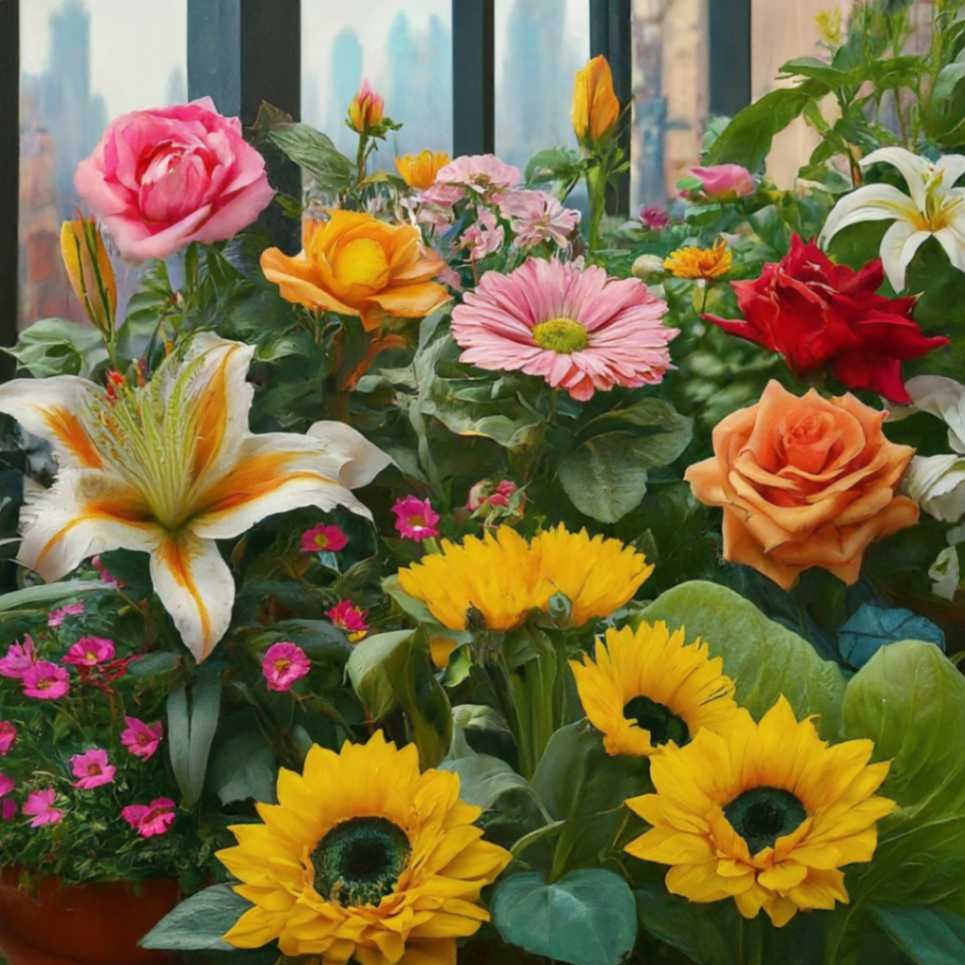
Spring heralds the awakening of nature with its vibrant blooms, symbolizing renewal and freshness. Roses and Marigolds dominate gardens during this season, offering a spectrum of colours and fragrances. These plants thrive in moderate temperatures and require regular watering and sunlight. Prepare your garden by ensuring well-drained soil is enriched with compost to support its growth.
As temperatures rise, gardens burst into full colour with Hibiscus and Bougainvillea. These summer stalwarts thrive in the heat, showcasing their bold blooms against the sun’s intensity. Hibiscus requires ample water and sunlight, while Bougainvillea flourishes in well-drained soil and benefits from occasional pruning to maintain its shape and encourage more blooms.
Monsoon brings relief with its refreshing showers, nurturing plants like Lotus and Zinnia. Lotus, revered for its serene beauty, thrives in shallow, muddy water and abundant sunlight. Zinnias, with their vibrant colours, prefer well-drained soil and benefit from regular deadheading to prolong flowering. Prepare your garden by ensuring good drainage to prevent waterlogging and promote healthy growth.
Winter blankets gardens with subtle hues, where Pansies and Petunias add a touch of elegance. Pansies, resilient to cold temperatures, thrive in moist, well-drained soil and partial sunlight. Petunias, known for their versatility, prefer full sunlight and benefit from regular fertilization to promote continuous flowering. Prepare your garden by mulching to conserve moisture and protect roots from frost.
– Soil Preparation: Prioritize well-drained soil amended with compost or organic matter suitable for each plant’s needs.
– Watering: Adjust watering schedules according to seasonal requirements to avoid overwatering or drought stress.
– Sunlight: Understand the sunlight preferences of each plant and ensure they receive adequate exposure throughout the day.
– Maintenance: Regular pruning, deadheading, and pest control are essential to promote healthy growth and flowering.
– Seasonal Transitions: Gradually transition plants between seasons to minimize shock and ensure continued health.
Native plants play a crucial role in maintaining biodiversity and supporting local ecosystems. Choosing native species for your garden not only enhances its aesthetic appeal but also promotes sustainability and environmental balance. Native plants are naturally adapted to the local climate, soil conditions, and wildlife, making them resilient and low-maintenance options for gardeners.
– Site Selection: Choose a location that matches the plant’s sunlight and soil requirements.
– Planting: Dig a hole twice the size of the plant’s root ball, backfill with soil mixed with compost, and water thoroughly.
– Watering : Water deeply but infrequently to encourage deep root growth and drought tolerance.
– Mulching: Apply mulch around plants to retain moisture, suppress weeds, and regulate soil temperature.
– Pruning: Prune dead or damaged branches to promote healthy growth and shape plants as needed.
Environmental Benefits
– Water Conservation: Native plants require less water once established, reducing the need for irrigation.
– Soil Health: Their deep root systems improve soil structure and increase its ability to absorb and store water.
– Pollinator Support: Native flowering plants attract pollinators essential for fruit and seed production in gardens and nearby ecosystems.
Creating a garden in urban environments presents unique challenges but also exciting opportunities to incorporate nature into limited spaces. Flowering plants like Petunias, Geraniums, Bougainvillea, Jasmine, and Begonias are ideal choices due to their compact growth and vibrant blooms. These plants thrive in containers and hanging baskets, making them perfect for balconies and terraces. By strategically placing pots and using vertical space, urban dwellers can create a colorful oasis amidst the concrete jungle.
Choosing the right pots is crucial for container gardening. Opt for sturdy containers that provide adequate drainage to prevent waterlogging. A well-draining soil mix, combining potting soil with compost or perlite, ensures optimal growth. Regular pruning and deadheading help maintain plant health and encourage continuous blooming. Remember to monitor moisture levels and provide occasional feeding to keep your plants flourishing.
Low-maintenance gardening is ideal for those with busy schedules. These plants require minimal watering, boast natural pest resistance, and thrive in various soil conditions. Marigolds, Bougainvillea, Zinnias, Periwinkles, and Lantanas are excellent choices for Indian climates. Plant them in well-drained soil and provide occasional fertilizer. With their resilience and enduring beauty, these plants offer a hassle-free way to enjoy a thriving garden year-round.