2024-07-11
Taking care of plants during the monsoon is important for their health and growth. The rainy season brings more humidity and moisture, which can cause problems for plants if not managed well.
In the monsoon, plants can easily get fungal diseases or root rot because of too much moisture. Good care helps prevent these issues and keeps plants healthy despite the rainy weather.
Choosing plants that thrive during the monsoon is essential for maintaining a lively garden when it rains. These plants can handle lots of water and do well in the humid conditions typical of monsoons.
Picking monsoon-friendly plants ensures they grow strong and healthy despite heavy rainfall and potential waterlogging. They keep your garden green and vibrant even in wet weather.
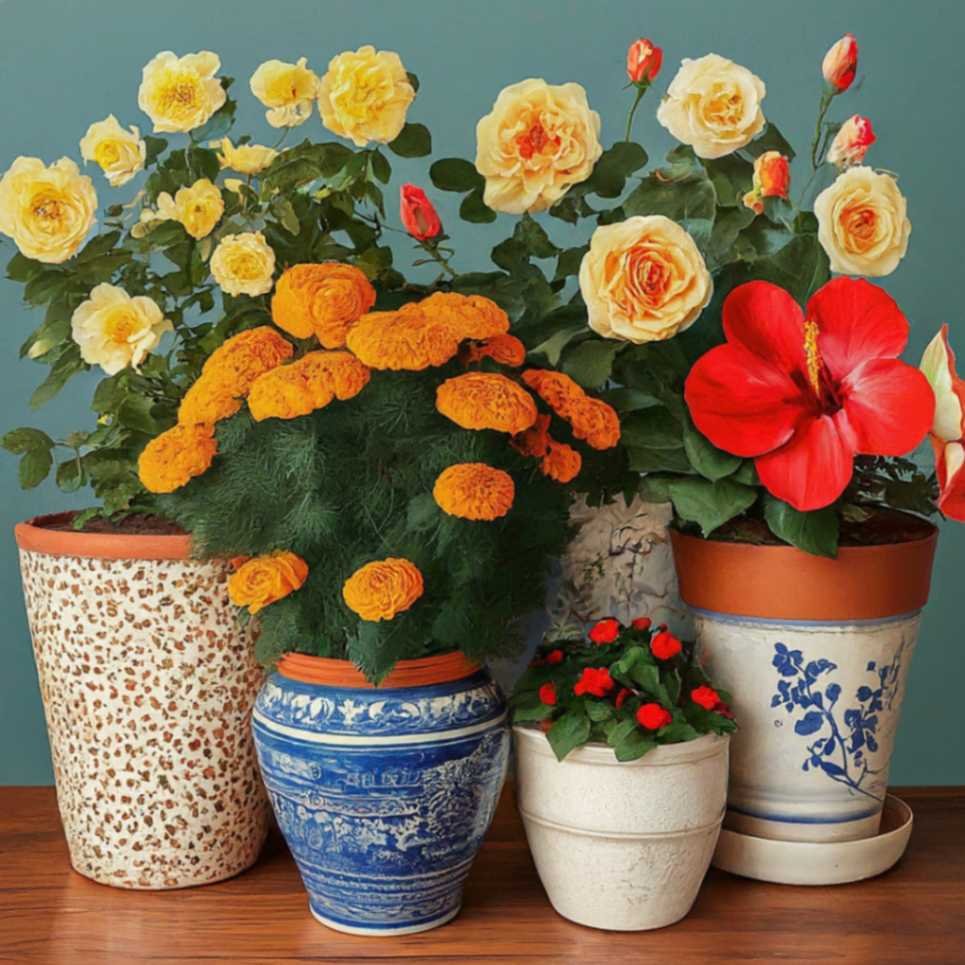
– Flowering Plants: Marigolds, hibiscus, English Rose and begonias bring color and beauty.
– Vegetables: Okra, bitter gourd, and fenugreek thrive with enough moisture.
– Herbs: Mint, coriander, and lemongrass grow well and are great for cooking.
– Flowering Plants: Ensure good drainage to avoid water sitting, prune regularly to help flowers bloom.
– Vegetables: Use mulch to keep moisture in, support tall plants to prevent them from falling over.
– Herbs: Harvest often to promote new growth, plant them in soil that drains well.
Keep an eye on soil moisture, don’t water too much, and manage pests naturally. Regularly check your plants and give them the care they need to grow well during the monsoon.
During the monsoon season, plants are vulnerable to several diseases, including fungal infections, root rot, and leaf spot.
Fungal Infections: These appear as white or gray patches on leaves and stems, known as powdery mildew or downy mildew. To prevent fungal infections, space plants well for good air circulation. Prune affected leaves and use fungicides labeled for specific fungi if needed.
Root Rot: Excessive moisture can cause roots to become mushy and black. Use well-draining soil and pots with drainage holes to prevent root rot. Avoid overwatering and consider fungicides if symptoms develop.
Leaf Spot: Identified by dark spots on leaves, leaf spot diseases weaken plants over time. Prune affected leaves promptly to reduce spread and enhance air circulation. Apply fungicides early if leaf spots appear.
Treatment Strategies: Early detection is key. Regularly check plants for discoloration, wilting, or abnormal growth. Treat diseases promptly by adjusting watering practices, improving drainage, or applying appropriate fungicides.
During the monsoon season, effective water management is crucial to maintain plant health and prevent issues like waterlogging and root rot. Proper water management ensures that plants receive adequate moisture without being overwhelmed by excessive rainfall, which can lead to fungal infections and nutrient leaching from the soil.
Waterlogging occurs when soil becomes saturated with water, depriving roots of oxygen and promoting root rot. To prevent this, ensure good soil drainage by using well-draining soil mixes and avoiding compacted soil.
Raised beds elevate plants above ground level, improving drainage. Trenches can divert excess water away from plants, while container gardening allows better control over soil moisture.
Efficient water use is essential. Collect rainwater using barrels or tanks for watering plants. Use drip irrigation or soaker hoses to deliver water directly to the roots, minimizing waste.
Harvesting rainwater reduces dependency on municipal water sources and ensures a sustainable supply during dry periods. Water early in the morning or late in the evening to minimize evaporation.
Effective water management in the monsoon not only protects plants but also promotes sustainable gardening practices, conserving water resources for future use.
During the monsoon season, pests like snails, slugs, and aphids thrive in the humid conditions, posing challenges for gardeners. Here’s how to handle them effectively using natural and eco-friendly methods:
Snails and slugs chew on plant leaves and stems, causing damage. Create barriers using crushed eggshells or diatomaceous earth around plants to deter them. Handpicking them in the early morning or late evening can also reduce their numbers.
Aphids suck sap from plants, affecting growth and causing distorted leaves. Control them by spraying plants with a mixture of water and mild soap or neem oil. Introducing natural predators like ladybugs or lacewings can also help keep aphid populations under control.
Neem oil acts as an effective insecticide and fungicide. Dilute it with water and spray on affected plants. Garlic spray, made by blending garlic with water, repels pests with its strong odor. Companion planting involves growing plants together to naturally repel pests or attract beneficial insects.
Organic methods like neem oil and companion planting are safe for plants, pets, and beneficial insects. They reduce chemical residues in soil and water, promoting a healthier environment. Supporting natural pest control practices also contributes to sustainable gardening and biodiversity.
Safe and Eco-Friendly Gardening Practices:
Avoid synthetic pesticides and herbicides that can harm beneficial insects and pollinators. Use organic fertilizers and compost to improve soil health naturally. Keep your garden clean by removing debris and weeds that can harbor pests, creating a pest-resistant environment.