2025-07-18
Table of Content
Plants indoors give a fresh and beautiful look to the office and home. They clean the air and provide a relaxing ambiance. Indoor plants often face issues. Yellowing leaves, drooping of plants, or pests infestation is not unusual. The majority of plant lovers do not have any idea about the remedy for these issues. It is required to know the issues at an early stage and take necessary action. Indoor plants can become strong and healthy with regular care. In this blog, you will learn about indoor plant problems and easy solutions. You will also learn how to get healthy indoor plants in Indore,like the best nurseries and best online plant nursery in Indore.
Indoor house plants form in indoor conditions where everything seems easy to maintain. Yet, they continue to have many problems. Low light, water excess or deficiency, and poor soil can ruin them. Indoor plants are also severely troubled by pests and diseases. Sometimes low humidity or abrupt temperature changes make the problem worse. Moreover, these problems cause leaf fall, yellowing, or failure to develop. If one does not act promptly, the plant will slowly wither away. It is for this that one has to identify changes early enough. Look for signs like pale stems or yellow leaves. Additionally, treating the issue at an early stage provides your plant with a better chance to recover. Indoor plants, provided they are well treated, can stay healthy and make your room look rejuvenated.
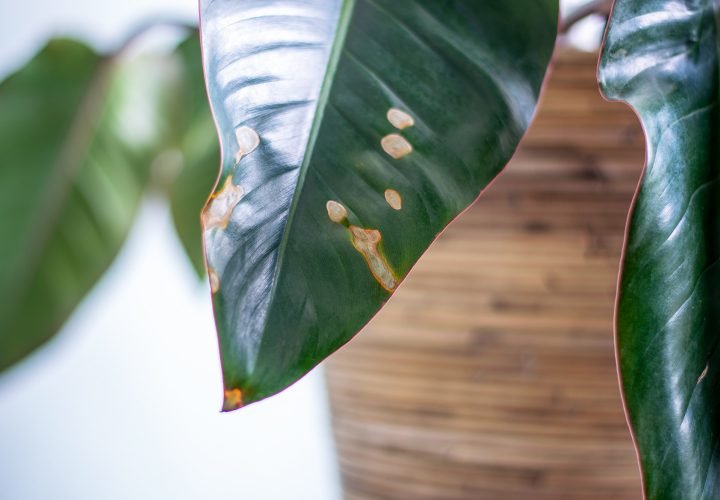
Yellow leaves are perhaps the most common sign of problems in plants. Leaves turn yellow due to overwatering or water logging. Sometimes nutrient deficiencies cause leaves to turn yellow. Too much light can burn leaves and make them yellow as well.
Wilting denotes when plants become water-starved or when the roots have been damaged. Wilting can also occur as a consequence of too much watering because the roots are clogged. Hanging and weak plants are those which wilt.
Brown tips are noticed when air is very dry or in case of underwatering of plants. Excess accumulation of salt in soil also leads to browning. Sometimes, this is a sign that there is little humidity in the house.
Spider mites, aphids, and mealybugs are frequent pests. Pests consume plant sap and render the plant weakened. Holes, spots, or sticky materials appear on leaves. Pest problems spread rapidly and need to be given immediate attention.
Root rot happens when roots stay wet for too long. Root rot causes roots to decay and lose the ability to absorb nutrients. The plant is weakened and killed unless it is treated.
Poorly growing plants may be lacking sunlight or nutrients. Root space restriction in bad soil or small pots will restrict growth. Stunted stems and weakened growth ensue.
Water is necessary but has to be provided cautiously. Water only after checking the moisture in the soil. If the soil is 1-2 inches deep, it’s time to provide water. Waterlogging is the most common error. Provide pots with drainage holes to prevent waterlogging.
All plants need particular lighting. Some plants love bright indirect light. Others need low-light areas. Restyle your plants based on their light needs. You can grow lights if there is little natural light indoors.
Soil plays a key role in its ability to retain water and nourish roots. Indoor plant potting soil mixes are what you should use. Avoid using garden soil that is heavy or has pests. Fresh soil also nutrients your plant to grow.
For insects, start with water washing. Insecticidal soap or neem oil for treatment. Quarantine infected plants to avoid infecting others. Monitor your plants regularly to catch pests early.
Repot plants every 1-2 years to refresh soil and give roots space. Trim dead roots and look for root rot symptoms. Use clean pots and fresh soil when repotting.
Prevention is better than cure. Here are some healthy indoor plant tips.
Healthy plants, if you wish for them, need proper selection in the nursery. The best plant nursery in Indore offers good plants and expert advice. You can either purchase from their stores or their online counterparts.
Therefore, buying through a good online plant nursery in Indore is time-saving and gives more options. Online nurseries also provide care advice. For the purpose of convenience, many choose online indoor plants in Indore for doorstep delivery. These are fresh and ready-to-bloom plants in your home.
Indoor plant care is simple when you know what they need. Plant issues can be easily solved if you act beforehand. The proper amount of water, adequate light, and good soil favors plants to grow well. Timely pest checkup also secures your plants and makes them robust. A good store where you buy your plants also matters.
However, a good nursery will give you good fresh and robust plants. You can buy from a nearby nursery or try an online indoor plants in Indore. Both of these homes have lots of houseplants. Good plants give your house a nice look and purify the air. So. Start caring for your green friends. Have a beautiful, peaceful place indoors today.
Q1: How frequently should I water indoor plants?
Water when the top soil layer is dry. Don’t overwater.
Q2: Can I use tap water for indoor plants?
Yes, but let stand 24 hours to dechlorinate.
Q3: How do I provide humidity to indoor plants?
Use a humidifier or pour plants on a water tray with pebbles.
Q4: Are Indore online indoor plants trustworthy?
Yes, if you are purchasing from reputable online nurseries with a good reputation.